In the first half of October, my feed turned into a magic show. Someone had cloned Photoshop. Someone had opened up the software on their own TV to see where their data was going. An AI influencer with millions of followers summed it up in three words: "Software is done."
Two weeks later, the same feed was full of screenshots of something else: the AI would start analyzing a program, stop mid-sentence, and say a safety check had interrupted the response. It looked like someone had pulled the plug.
I went to find out what actually happened. The story is less dramatic than either version that went around, and a lot more useful for anyone who works with technology inside a company.
Two weeks in which software "died"
The main character is called REA, short for Reverse Engineer Anything. On October 6 the project had fewer than 10,000 stars on GitHub. By October 12 it had more than 100,000, with over 30,000 in a single day. Today it has more than 370,000.
At the same time, a developer named Brandon Thomas released free, open versions of Photoshop and Premiere, written from scratch with AI, and a few days later did the same with Word, Excel and PowerPoint. His reason, he said, was anger at Adobe's cancellation fees. Put the two stories together and the narrative wrote itself: any program can be copied by AI in days, so nobody will pay for software again.
What REA actually did
Reverse engineering means figuring out how a program works without access to its source code, only to the finished product. It is an old and respectable practice. It is how IBM-compatible PCs came to exist in the 1980s.
REA did not invent any of this. It is an MCP server, a kind of adapter that connects AI assistants such as Claude Code, Codex or Cursor to reverse engineering tools that have been around for years, like Ghidra (released by the NSA in 2019), IDA and Hopper.
Similar integrations had existed for about a year. REA's contribution was making all of it easy to install. And the project describes itself modestly: it says it does not promise to recover original source code or clone applications automatically.
The viral clones were not what they seemed
The most famous case, the Adobe clones, was not even built with REA. Thomas says he used plain Claude Code and forbade the AI from opening or copying the original programs' code. The AI could only study behavior, public file format specifications and appearance. That is the classic "clean room" technique, which exists precisely to avoid copyright infringement.
And the result is still a prototype. The projects are labeled alpha, Photoshop files with Smart Objects misbehave, and only 5 of 30 filter tests matched the original. A MindStudio test added another curious data point: they rebuilt the same Mac app once with REA and once from screenshots alone. Both worked, and the screenshot version finished first.
| What the feed said | What happened |
|---|---|
| "Software is done" | The clones exist, but they are in alpha |
| "They cloned Adobe with REA" | The clone was built without REA, looking only at behavior |
| "People used Claude to open up a Samsung TV" | The researcher says he used ChatGPT, which also blocked him |
| "Anthropic killed REA" | REA keeps shipping releases. The block comes from the model's filter |
| "Suddenly AI can't do it anymore" | The barrier was announced on October 6, before the hype |
The day AI started cutting off its answers
On October 21, someone opened a Reddit thread whose title captured the general mood: Anthropic had secretly killed the REA train. Claude Opus 5.5 users described the model starting to investigate a program, stopping mid-sentence, and refusing to pick it back up even when the request was rephrased. Kotaku covered it on the 24th, and a post about it on X passed half a million views.
Anthropic did not announce any change to the model. It did not need to: the barrier was already in writing. On October 6, two days before REA went viral, the company published that its generally available models have conservative safeguards that block most cybersecurity work. There are reports of blocks like these in users' projects going back to July. What changed in October was the number of people trying the same door at the same time.
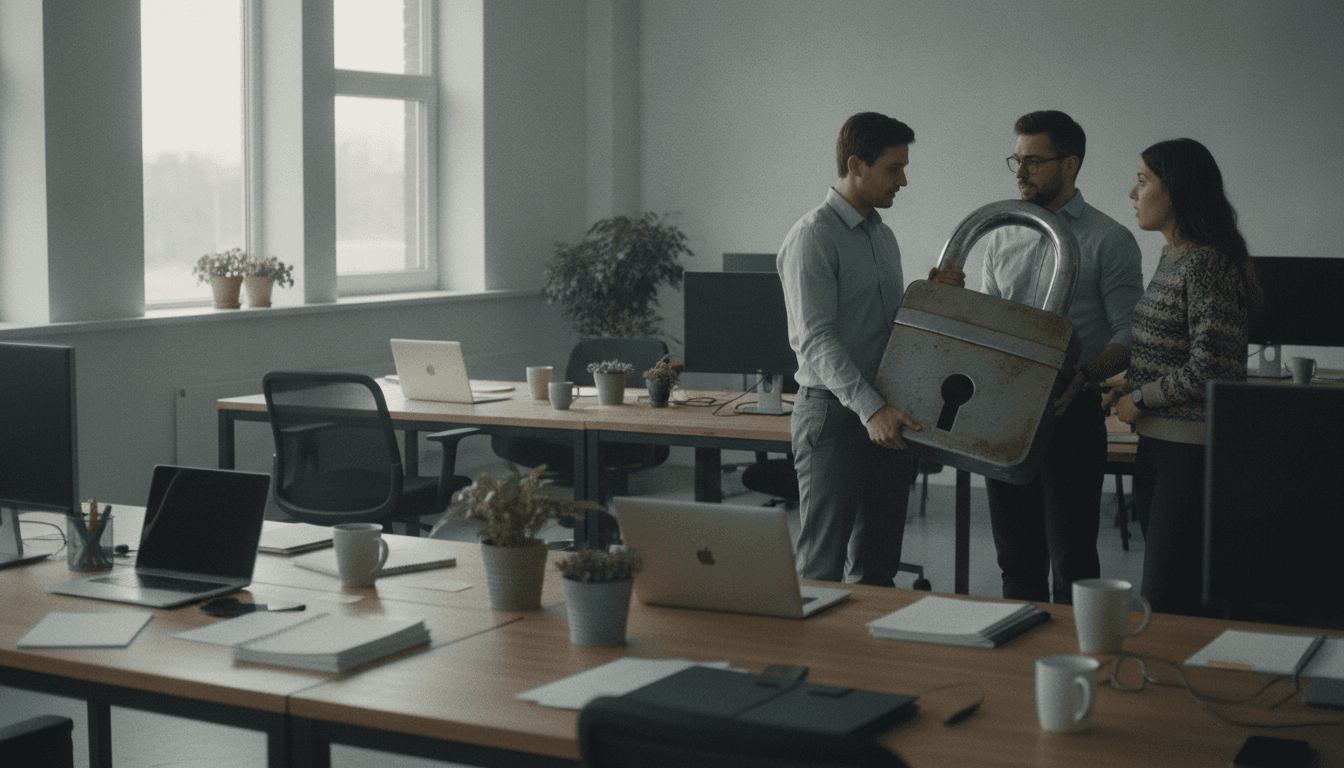
The lock was announced two days before the hype started. Almost nobody read the notice.
Anthropic published numbers too. In a test with 50 multi-stage attack scenarios, the model without special access was blocked on the very first message in all 50. For people who work in security there is a verification program with access tiers: the defense tier, which covers malware reverse engineering, still had 46 of the 50 scenarios interrupted at some point.
And OpenAI is not the easy way out some people imagine. The researcher behind the Samsung TV story, which became the symbol of the whole episode, says he used ChatGPT and was also blocked partway through, under a "cyber abuse" label. His findings, by the way, have not yet been independently verified.
Why AI labs closed that door
Because the same skill cuts both ways. The AI that helps a security team understand a virus helps an attacker understand your system. A study published in May found that 87% of monitored mobile apps were attacked in 2026, and its authors point to AI-assisted reverse engineering as one of the reasons.
The labs chose to close by default and open for people who can prove they are defenders. You can argue the filter is too sensitive: there are reports of blocks on legitimate tasks, such as writing a Linux driver or controlling hardware the person bought. But the direction is neither secret nor new.
What this changes for your company
Strip away the noise and four practical points remain:
- If your company buys software, your negotiating power just went up. An alpha clone does not replace the real program, but it changes what a vendor can charge and the lock-in it can impose.
- If your company sells software, the question changes. What could a competitor with AI not rebuild in three months? Integrations, data, support and trust protect you more than the number of screens.
- If you plan to use AI to understand a legacy system, plan for the barrier. Analyzing code your company owns, with the source in the repository, is within allowed use. Opening a third party's compiled program may stop halfway, even with legitimate intent.
- "The AI did it" is not a defense. The rules about what you can do with what you discover have not changed, and many vendors are tightening their terms of service to ban AI-assisted reverse engineering.
Not what we thought
REA is still on GitHub, still being updated. The models' capability is still there. What changed in October was how many people discovered, all at once, a door that already had a lock. People who work in security can apply for the key. For everyone else, it is worth taking a calm look before believing the next "software is done."
If your company has an old system nobody can explain anymore and you are thinking about using AI to understand it before migrating, send me a message. I'll look at it with you and tell you what can be done without running into these barriers.
Sources
- Expanding the Cyber Verification Program, Anthropic
- Is Software Really Dead? The Rise of AI-Powered Reverse Engineering, HackerNoon
- Why Is Claude Blocking Reverse Engineering?, Capital & Compute
- Claude's reverse-engineering capabilities may have been quietly nerfed, Kotaku
- AI Reverse-Engineering Wave Hits TVs, IoT Devices and Desktop Apps, Let's Data Science
- 87 percent of mobile apps hit by attacks, Digital Today
- Reverse Engineer Anything, GitHub